A Research-Driven Approach to Reducing Demand & Recidivism
Reducing Demand.
Restoring Lives.
The Columbus Model for Solicitor Education is a research-driven, court-approved intervention that addresses the root causes of sex buying, is designed to decrease the odds of reoffending, and reinvests offender accountability into local survivor care.
Click Here to Read the Preliminary Data Analysis on Columbus Sex Buyers & ACEs!
Why SEP Exists
Sex buying fuels human trafficking, perpetuates cycles of violence, and erodes the safety of our communities. In response, many jurisdictions turned to “John Schools” or harsher penalties like higher fines and longer jail sentences. Although these efforts sought to deter, evidence shows they have not consistently reduced reoffending and may even deepen stigma toward *sex workers and compulsory sex workers - individuals who are often already victims of exploitation. Sustainable change requires education that challenges beliefs, fosters empathy, and promotes accountability - core principles of the Solicitor Education Program. *(please see the disclaimer at the bottom of this page)
The Columbus Model for Solicitor Education Programming represents a significant advancement over these outdated approaches. The Solicitor Education Program (SEP) is not about letting offenders “off easy” - it is about holding them accountable in a way that actually decreases the odds of recidivism and restores community safety.

Unlike some other diversion models, SEP is built on decades of criminal justice research. Its curriculum draws from the criminogenic needs model, which is widely recognized as one of the most effective curriculum design frameworks for reducing recidivism in offenders of all areas of crime. SEP directly addresses the underlying belief systems, distorted values, and harmful patterns of thinking that drive sex buying.
Participants are confronted with the real human cost of their actions through survivor testimony and trauma-informed education. Distorted beliefs that normalize or justify sex buying are systematically challenged and replaced with healthier perspectives. Financial accountability is redirected into local survivor services, ensuring that those who cause harm contribute to survivor healing.
By combining accountability, education, and restorative justice, SEP is a research-backed, survivor-centered solution that is more effective than punitive measures or outdated John Schools in reducing demand and creating safer communities.
“When I first agreed to participate in the Solicitor Education Program, I was afraid to sit in a room with men who had tried to, or have purchased another human being for sex. My fear was compounded because I am a survivor of human trafficking and sexual exploitation. But, as I listened to their stories, I began to see the human struggles behind their choices. It didn’t excuse their actions, but it helped me understand how many were taught to believe solicitation was normal or acceptable. SEP creates accountability while opening a path for change. It showed me that healing is possible, not only for survivors, but also for those willing to confront their actions and learn a better way.”

John-Michael Lander – Survivor of Human Trafficking | SEP Contributor | Speaker & Advocate | johnmichaellander.com
Learn more about John-Michael and his advocacy efforts in this Columbus Dispatch article.
How the Program Works
SEP is a court-ordered program that holds first-time offenders accountable for sex-buying offenses, while equipping them with the tools to change their behavior.

Through an intensive course, participants:
- Hear directly from survivors of trafficking and exploitation, breaking down myths of a “victimless crime.”
- Engage in an evidence-based and research-driven curriculum designed to confront harmful beliefs, unhealthy coping strategies, and risky decision-making.
- Learn how trauma, impulsivity, and distorted thinking drive their choices - and how to change those patterns.
- Learn from survivors, family members of convicted sex buyers, and a team of core educators - men who have overcome their own struggles with unhealthy sexual beliefs and behaviors and now serve as recovery professionals and experienced diversion program facilitators.
- Participate in guided reflection and accountability exercises, committing to future change.
- SEP transforms what could be just another punishment into a catalyst for long-term behavior change.
Additional Partner Resources
In addition to SEP’s own programs and support groups, participants also have access to trusted partner organizations that extend learning and personal growth beyond the classroom:
TOPUCU® - A nationally recognized, evidence-based personal development program that has been implemented with justice-impacted individuals across 19 states. TOPUCU is a trusted program provider for the Ohio Department of Rehabilitation and Correction, the Ohio Department of Job and Family Services, and the Georgia Department of Juvenile Justice. Locally, TOPUCU programming is also being used as a program inside Franklin County Corrections Center Facilities. TOPUCU’s curriculum focuses on habit change, accountability, and long-term transformation, making it a powerful follow-up resource for SEP participants. Learn More About TOPUCU Here
Foundation for Family and Community Healing - Provides programming designed to strengthen emotional health, improve relationships, and foster resilience. Their work equips individuals and families with practical skills for building healthier, more connected lives - reinforcing SEP’s mission of accountability and restoration. Learn More About FFCH Here

“From an observer’s perspective - and someone who has worked in the behavior change space for years - the Solicitor Education Program is a model of how impactful programs should be delivered. It blends evidence-based approaches with an organized and uniquely human-focused structure. Participants are not only given education, but are also given time to absorb and reflect on the topics throughout the day. The facilitators bring credibility, passion and compassion, which creates an environment where meaningful and lasting change is not only discussed, but made accessible and possible. I would venture to say every person in that room left the day thinking differently than when they walked in. Well done!”
Jen Piela – Coach, Wellness Advocate, and SEP Facilitator | Moderator of the Family Support Group for Loved Ones of Sex Buyers
A Research-Driven Curriculum
The Solicitor Education Program is far more than an “awareness class.” It is a research-driven intervention designed to confront the core drivers of repeat offending. Criminologists call these drivers criminogenic needs - dynamic risk factors that, if left unaddressed, increase the likelihood of reoffending.
A broad body of research has proven that programs intentionally addressing criminogenic needs are among the most effective strategies for reducing recidivism across all areas of crime. By aligning with this evidence base, SEP gives participants not only knowledge, but also practical tools and strategies to disrupt unhealthy patterns and reduce the risk of future offenses.
The 8 crimonogenic needs addressed by SEP are:
Antisocial Cognition
Risk Factor: Distorted thinking patterns - such as justifying sex buying, minimizing harm, or rationalizing exploitation - are strongly linked to repeat offending.
How SEP Responds: SEP uses interactive discussions and case studies to challenge these cognitive distortions. Participants learn to recognize harmful thinking, replace it with pro-social values, and understand the real consequences of their actions on survivors, families, and communities.
Antisocial Personality
Risk Factor: Traits such as impulsivity, low empathy, and disregard for social norms increase the likelihood of engaging in harmful behaviors, including commercial sex buying.
How SEP Responds: Survivor stories and empathy-building lessons humanize individuals in the sex trade, fostering accountability and helping participants develop emotional awareness and self-discipline.
Antisocial Associates
Risk Factor: Peer groups, online forums, and social circles can normalize sex buying through “locker room talk,” pornography, or trivialization of exploitation.
How SEP Responds: SEP equips participants with strategies to disengage from antisocial influences and replace them with pro-social connections. Lessons on healthy relationships and accountability help participants resist peer reinforcement of harmful behaviors.
Family/Marital
Risk Factor: Dysfunctional family dynamics, conflict, and poor intimate relationships are common among offenders. Adverse Childhood Experience (ACE) data on Columbus sex buyers (2023–2024) showed that 83.2% reported at least one ACE, and 43.6% faced four or more. These patterns often distort intimacy and drive transactional views of sex.
How SEP Responds: Trauma-informed lessons guide participants in recognizing the influence of family background and relationship history. Reflection activities foster healthier views of intimacy, stability, and personal growth.
Substance Abuse
Risk Factor: Alcohol and drug use often fuel impulsivity, risky decision-making, and environments where sex buying occurs.
How SEP Responds: SEP highlights the connection between substance use, risky sexual behavior, and exploitation. Participants learn healthier coping strategies and are encouraged to reduce or eliminate substance use that contributes to offending.
Employment
Risk Factor: Unstable or unsatisfying employment is correlated with criminal behavior, including solicitation, as individuals may seek unhealthy outlets for stress, frustration, or identity.
How SEP Responds: By making evidence-based programming like TOPUCU available to participants, SEP incorporates goal-setting and future-planning exercises that emphasize responsibility, accountability, and building a purposeful life. Participants explore how meaningful employment supports positive identity and reduces reliance on destructive behaviors.
Education
Risk Factor: Low educational attainment is linked to reduced problem-solving skills and fewer pro-social opportunities, both of which can increase criminogenic risk.
How SEP Responds: SEP fosters a growth mindset through structured lessons, reflective writing, and practical skill-building. Participants with lower education levels are encouraged to pursue ongoing education as a means of strengthening pro-social identity and reducing recidivism.
Leisure
Risk Factor: Lack of healthy leisure activities often leads individuals to fill time with antisocial pursuits, including sex buying, pornography, or other high-risk behaviors.
How SEP Responds: SEP helps participants identify constructive hobbies, social activities, and stress-relief strategies. By redirecting leisure time into pro-social outlets, participants reduce the likelihood of engaging in high-risk behaviors.
Outcomes
By addressing these criminogenic needs, SEP does more than educate - it interrupts the cycle of offending. Participants leave with:
- Greater perspectives on self-control and accountability.
- Healthier views of women and relationships.
- Reflective tools to resist harmful peer and social influences.
- Awareness of trauma’s role in their choices.
- Commitment to pro-social, restorative behaviors.
In doing so, SEP can reduce the likelihood of repeat offenses and contributes to safer, healthier communities.
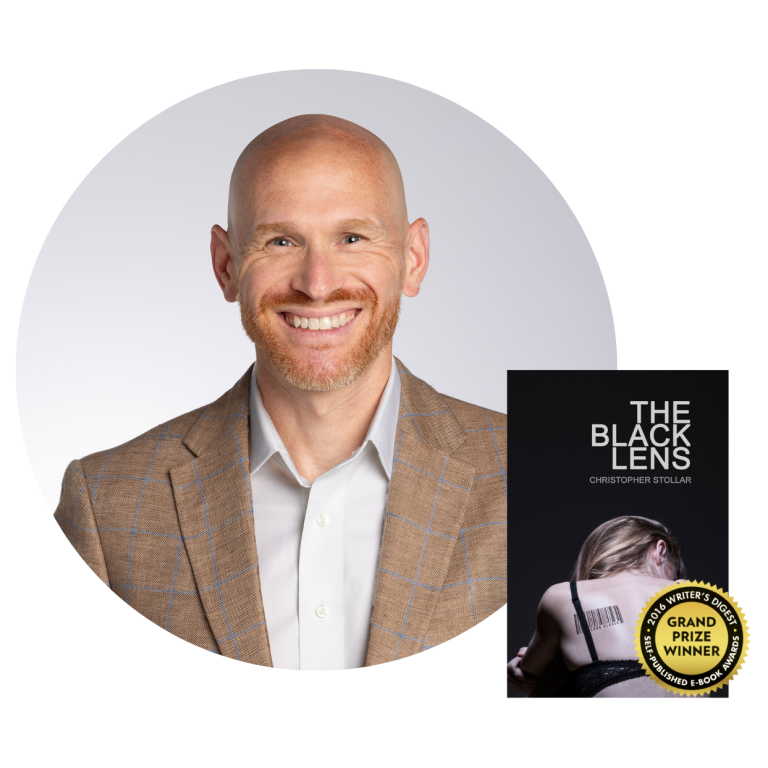
"Through five years of teaching and moderating at the Columbus SEP, I have seen first hand the powerful impact of our Solicitor Education Program on hundreds of men's lives. Sex buyers have transformed into anti-human trafficking advocates after reflecting on their personal reasons for soliciting and listening to survivors share their stories. I couldn't be more proud of our graduates and the speakers who have helped them in their journey."
Chris Stollar – Columbus SEP Presenter & Moderator | Anti-Human Trafficking Advocate | Award-Winning Author of The Black Lens
The ACEs Connection
Throughout 2023 and 2024, an Adverse Childhood Experiences (ACEs) study was conducted with participants of the Columbus Solicitor Education Program in partnership with She Has A Name, a Columbus-based anti-human trafficking nonprofit. The research was carried out by a graduate research fellow from the Tiffin University School of Criminal Justice and Social Sciences and was funded through a grant from the Office of the Ohio Attorney General.
The study revealed critical insights, including:
- 83.2% of SEP participants reported at least one ACE, and 43.6% reported four or more.
- By comparison, only about 16% of the general U.S. population report four or more ACEs.
- The most common experiences included emotional abuse (47.5%), household substance abuse (39.6%), incarcerated household member (36.6%), domestic violence (35.6%), and loss of a parent (34.7%).
These preliminary findings are currently in preparation for peer-reviewed publication. While additional research is needed, the results align with studies conducted in other regions: sex buying, sexually related crimes, and unhealthy beliefs about sex and power are often rooted in unresolved trauma and maladaptive coping mechanisms. Without intervention, punitive punishments alone are unlikely to prevent reoffending.
SEP responds by integrating trauma awareness into the curriculum, guiding participants to understand how their histories influence their choices while still holding them fully accountable for their actions. This trauma-informed approach increases the likelihood of rehabilitation, reduces recidivism, and contributes to safer communities.
Important Disclaimer
*At Solicitor Education Program, LLC, we recognize that some individuals engage in sex work by choice, while others are involved through force, fraud, or coercion. Our curriculum is designed to avoid stigmatizing sex workers in any circumstance.
We use the term “compulsory sex work” to help participants understand that, although some people willingly enter the industry, many are exploited or trafficked against their will. This distinction is vital for sex buyers to grasp, as it underscores the harm caused by demand.
The primary focus of the Solicitor Education Program is not to judge sex workers, but to address the personal beliefs, attitudes, and experiences that drive individuals to purchase sex.